Alliance for Girls Mental Health & Safety Study
is led by youth researchers to examine how their peers understand and experience mental health, and how their sense of safety affects their wellbeing.
PROJECT UPDATES
From March through August 2026, we’re hosting youth storytelling sessions and disseminating an anonymous survey to youth across all nine counties of the San Francisco Bay Area.
Learn how you can be a community partner by either helping us spread the word or hosting a storytelling circle in your area!
The Study
is a Youth Participatory Action Research (YPAR) project led by girls and gender-expansive youth of color (ages 14–24) in the Bay Area. The project explores how young people understand and experience mental health; and how their sense of physical, emotional, and spiritual safety affects their well-being.
Youth co-researchers are guiding every stage of the process—from shaping the research questions to collecting, analyzing, and sharing the findings.
The goal is to ensure that the voices of girls and gender-expansive youth of color are centered and that the resulting insights lead to real, community-driven solutions that improve safety and mental health support for youth.
OUR RESEARCH Team
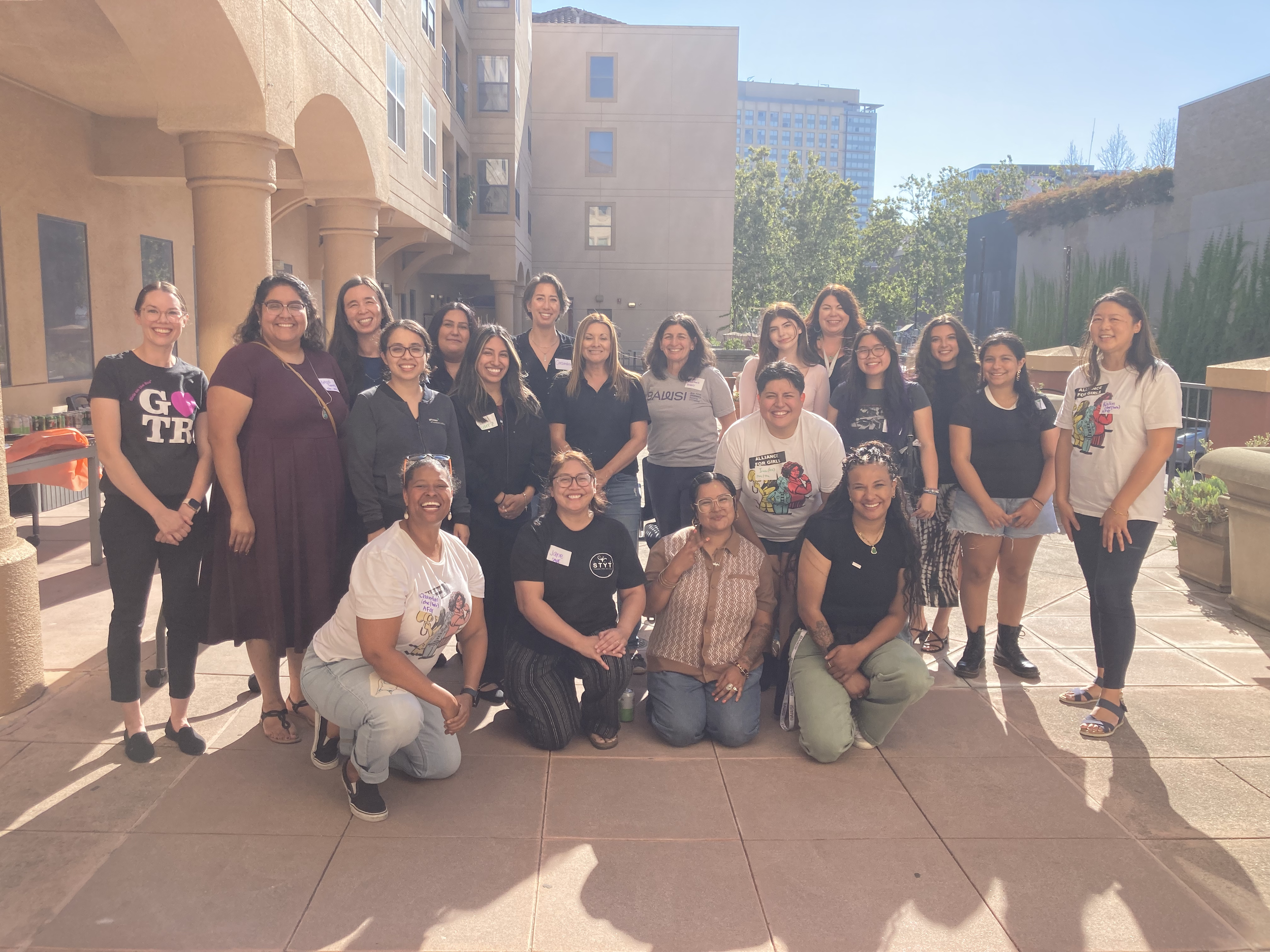
is comprised of girls, gender-expansive people, and women of color from the Bay Area who actively challenge power imbalances. Youth are not just participants but co-designers, partners, and decision-makers.

-
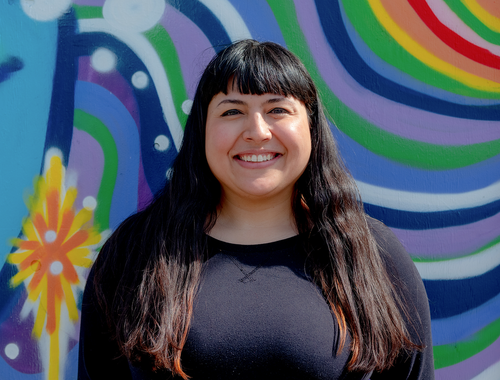
Alyvia DeAngelo grew up in Pittsburgh, Penn Hills, in a home where mental health was dismissed as laziness, weakness, or something made up. When she moved to California in eighth grade, she was introduced to spaces where mental health was openly discussed, and for the first time, she felt warmth and a sense of belonging. Alyvia came to realize that, especially in the Black community, struggling with mental health is often stigmatized or “not allowed” — particularly for Black men. Through her journey and community organizing work, she witnessed how important creating spaces of care, understanding, and accountability is. She is passionate about supporting young people in accessing healing resources, building resilience, and finding their voices.
-
Irina is a muxerista abolitionist jotx living in Sacramento, CA with their two children and partner. She organizes for freedom fiercely using their expertise in Youth Participatory Action Research (YPAR) and Community-based participatory research (CBPR).
Their justice work began in grassroots immigrant rights organizing and in studying the strategies of intersectional abolitionist feminists like Angela Davis, Audre Lorde, and Grace Lee Boggs. Organizing in the community deepened her commitment to transformative justice. After leading youth programming in Minneapolis, Minnesota, and teaching as a high school teacher, they realized organizing alongside youth is essential for us as a society to move towards our liberation.
Irina earned a Bachelors in Women Studies from the University of Nevada Las Vegas, and a Masters in Social Work from the University of Minnesota, Twin Cities.
Conducting YPAR projects led by Black, Indigenous, youth of color in the Twin Cities taught them that co-creating, co-organizing, and co-conspiring with youth can radically transform our communities and create systems that will bring joy, abundance, love, and healing.
At Alliance for Girls, Irina mobilizes towards freedom with girls and gender-expansive youth of color throughout the Bay Area using YPAR and CBPR as the Participatory Research Director.
-
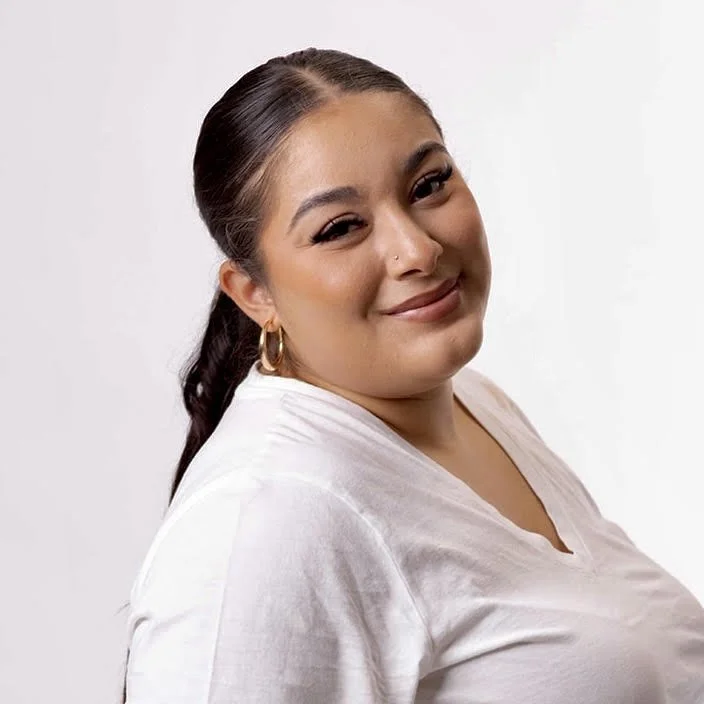
Fatima Yepez (She/Her/Ella) is a San José native, young mother, youth researcher, and aspiring healthcare professional passionate about mental health advocacy. Growing up in a traditional Mexican household, mental health was not something that was often acknowledged or openly discussed. From a young age, experiences within her family shaped her understanding of how deeply a child’s environment can influence their emotional well-being and the importance of having safe spaces to express emotions without judgment.
Becoming a mother at 19 gave Fatima an even deeper understanding of mental health. Navigating young motherhood while continuing to grow as an individual showed her how important emotional support can be during major life transitions. These experiences have inspired her to help normalize conversations about mental health, especially among young people and within communities where stigma can make seeking support difficult.
As a youth researcher, Fatima hopes to bring her lived experience and perspective into work that creates meaningful change and helps young people feel heard and understood. She is currently pursuing her education as a Medical Assistant, with plans to continue into nursing, and hopes to combine her passion for healthcare and mental health advocacy to help create more compassionate and culturally understanding systems of care.
-
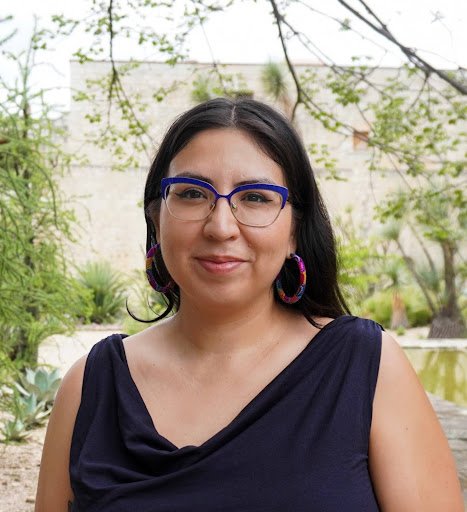
Joanna Núñez is an Assistant Professor in the Department of Women’s and Gender Studies at California State University, Sacramento. She is a queer Chicana feminist activist scholar-mother. She is the proud daughter of immigrant parents from Baja California, Mexico. She received her BA/BSW in Women’s Studies and Social Work from the University of Nevada, Las Vegas, and her Master's and Ph.D. in Feminist Studies at the University of Minnesota. Her primary research interests are in feminist and queer mothering, Jotería-led social movements, Chicana feminist epistemologies and pedagogies, and community-based and youth participatory methods. Her work explores the connection between home and intimate community-building practices in facilitating movements for social transformation. She is published in the Association of Mexican American Educators Journal, The Handbook of Latinos in Education, and in Transmovimientos: Latinx Queer Migrations, Bodies, and Spaces.

-
Coatlupe Martinez is a visionary Indigenous two-spirit student leader, facilitator, and organizer with eight years of experience. They are dedicated to cultivating community wellness and healing justice, deeply integrating Indigenous ancestral medicine and collective care as forms of liberation from systemic colonial systems of harm that target Black and Brown gender-expansive youth.
-
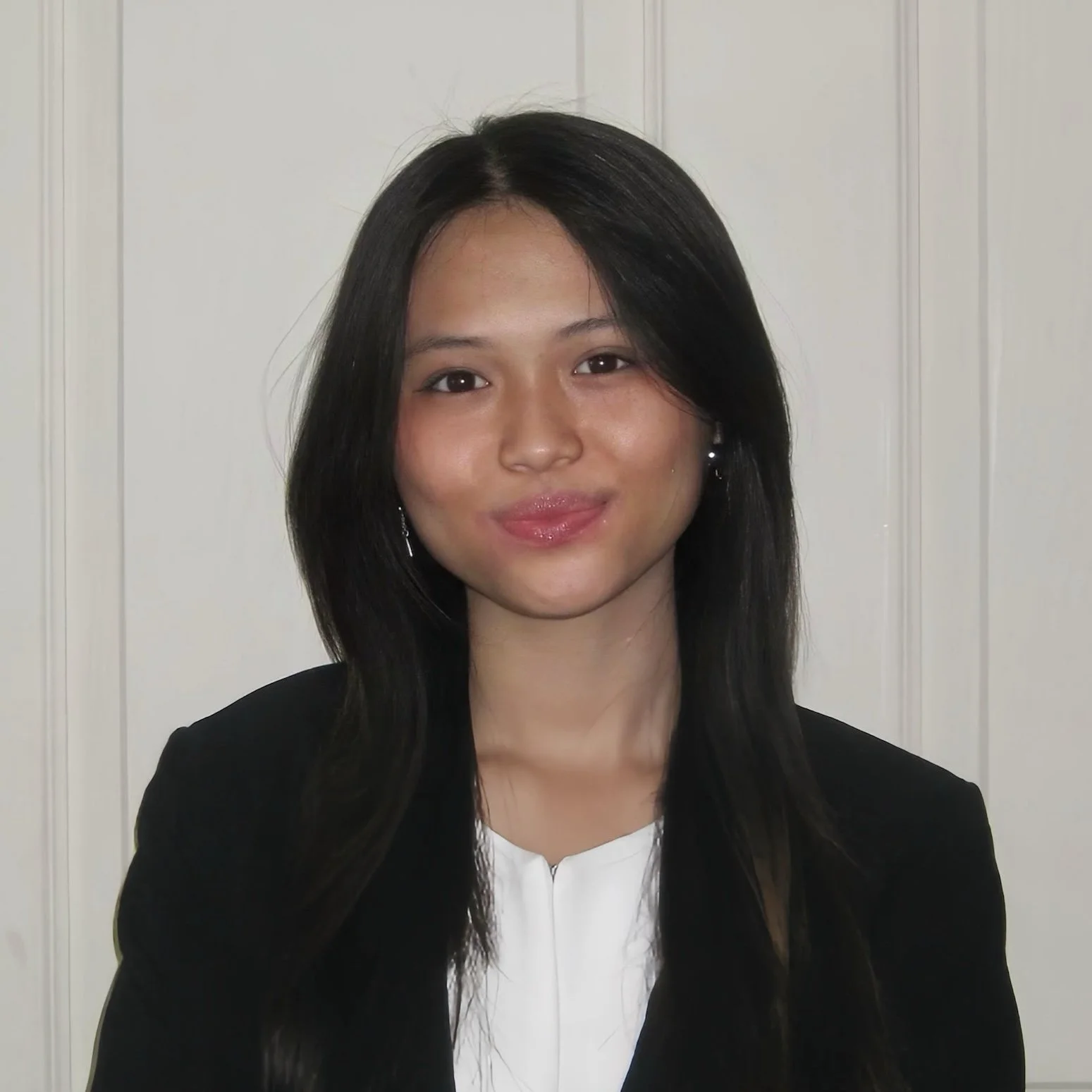
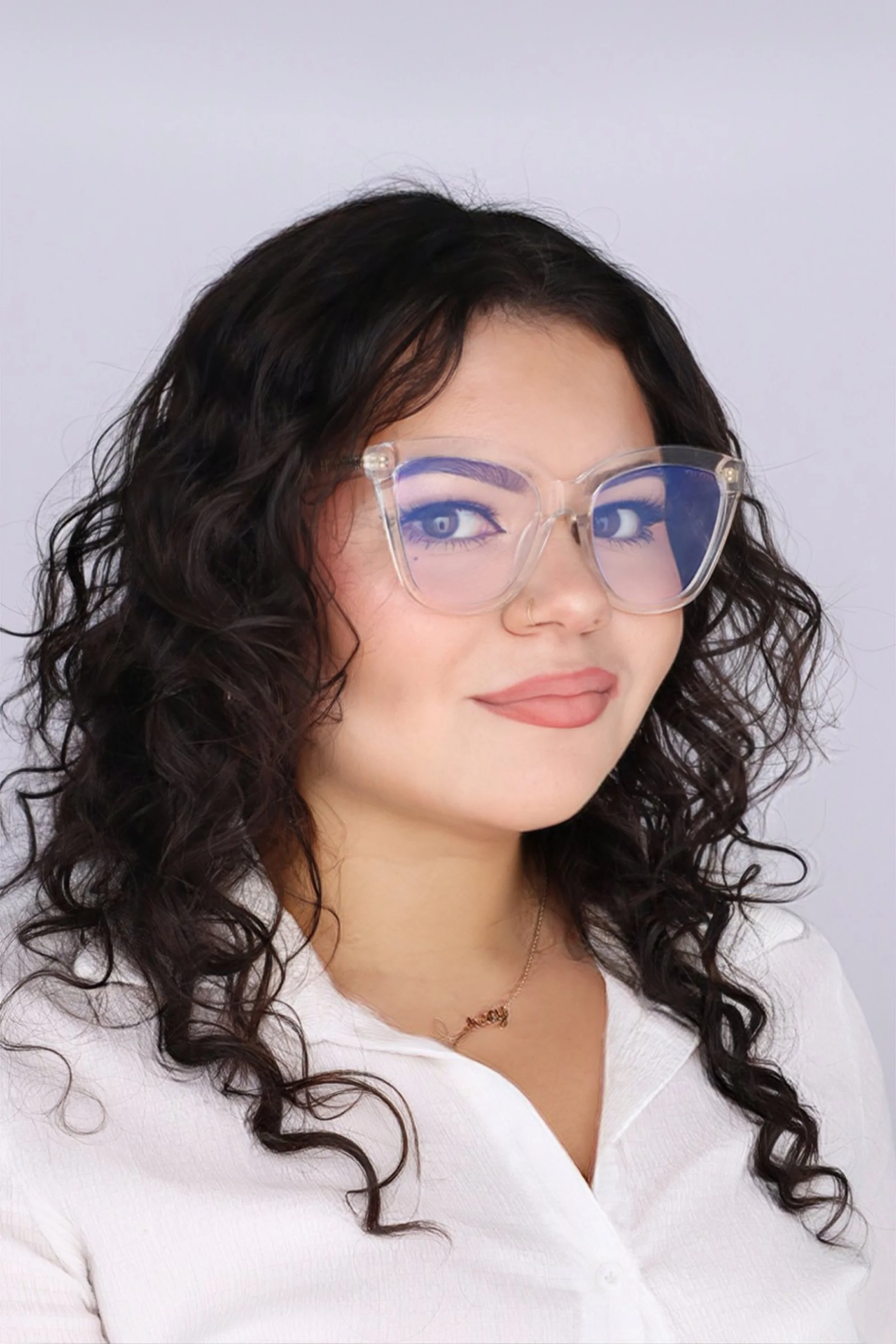
My name is Annie Phan and I am currently completing my undergraduate Public Health degree at San Jose State University. Policy and health research has interested me ever since I completed my senior project at Yerba Buena High School, addressing how to improve comprehensive sexual education for youth.
I’ve witnessed firsthand the importance of mental health, including how it affects relationships, physical health, and overall quality of life. Finding ways to mitigate mental health issues in communities that are at a higher risk is something that I hope to do with a Public Health viewpoint in mind, whilst being able to provide a unique perspective of my own life experiences.
I love having the opportunity to meet new people, and hopefully be able to learn new perspectives along the way!
-
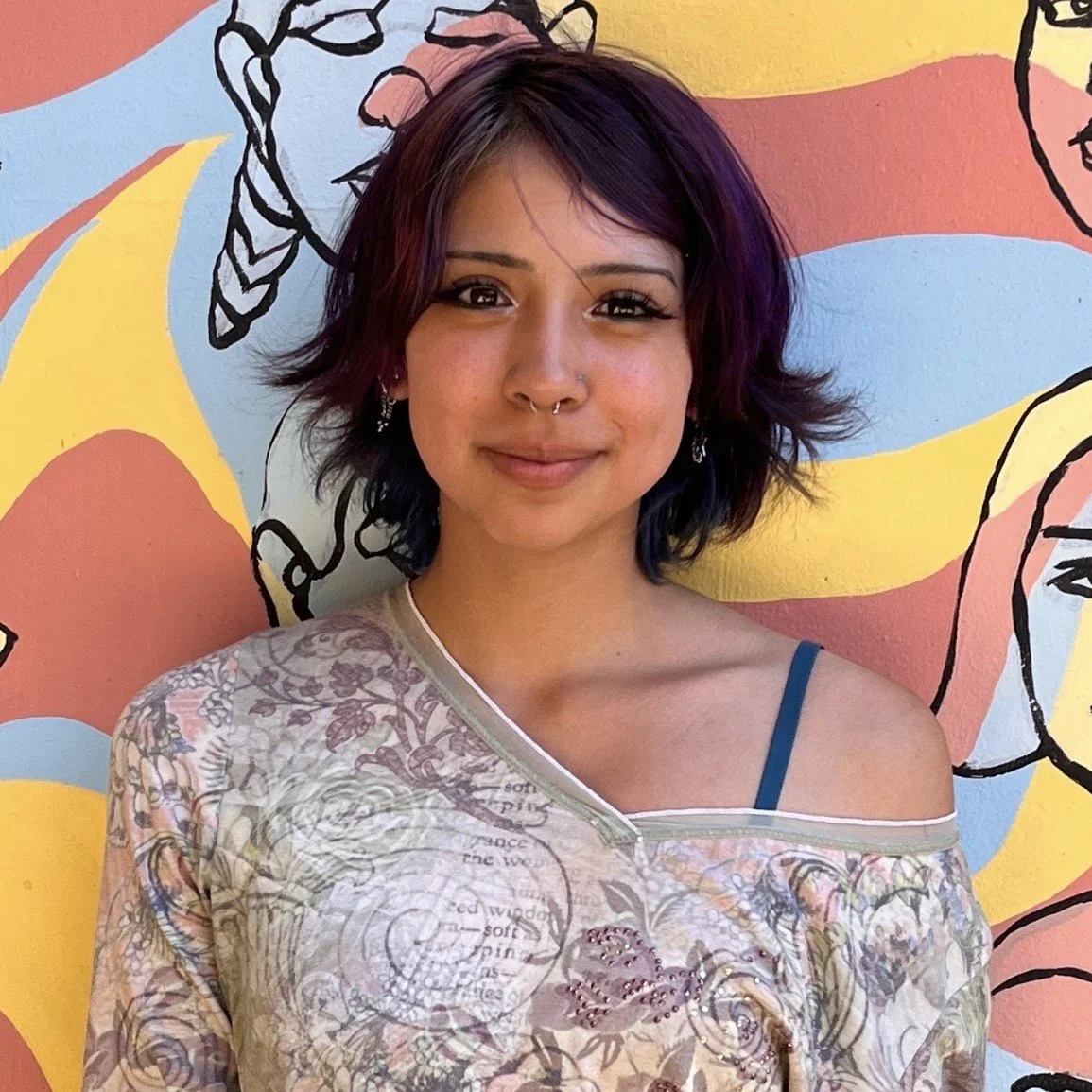
Gracy Mora (she/her) is a fifth-year undergraduate student at UC Berkeley majoring in Social Welfare. Originally from Oakland, she is a proud Bay Area native who is passionate about resource accessibility and behavioral health. Her academic and professional work focuses on harm reduction education and improving recovery treatment for young people seeking to change their relationships with substances. More broadly, she is deeply interested in exploring the reciprocal relationship between public services and the communities they serve, and in understanding how community and systemic structures both shape and are shaped by the people within them.
-
My name is Starr Ochoa-Cuevas (They/Them) and I am a 4th year undergraduate student at Sacramento State. I am currently majoring in Women’s & Gender Studies and Political Science, and I hope to pursue a future career in teaching and working with youth from underserved communities.
As a proud Vallejo native, my academic and professional goals have been oriented around serving communities like Vallejo that are under-resourced and underfunded. Seeing the effects of systemic inequality that harm and prevent Black and Brown communities from: accessing medical and mental health resources, expansive and well-funded education, and creating liveable conditions for its residents has motivated me to dedicate my time to uplift and work within my community and other communities like it.

-
Susanna Chen (she/they) is a youth researcher from Union City in the East Bay. She is passionate about blending activism, education, and STEM to create more inclusive and equitable spaces. Growing up in a low-income, immigrant household as the eldest daughter, Susanna began working at 14 and has experienced firsthand the challenges of navigating financial responsibility, accessing affirming mental health support, and seeking representation and inclusivity in education. As a queer young person, she understands how intersecting identities shape belonging, safety, and well-being.
Her passion for this work really deepened in high school (2021-2024), when James Logan’s Ethnic Studies and Social Justice (ESSJ) program transformed how she understood systems and institutions. She went on to spend a year (2023-2024) with PEERS (Peers Envisioning and Engaging in Recovery Services, Oakland, CA) as a youth fellow, focusing on mental health empowerment, and the following year (2024-2025) with SAVE (Safe Alternatives to Violent Environments, Fremont, CA), as a part of their youth empowerment group, Team STYT, where she facilitated community education workshops on relationship violence prevention.
Through the YPAR project, Susanna hopes to uplift the voices of girls and gender-expansive youth and push for systemic change that treats mental health and safety as fundamental rights. In the bigger picture, she aspires to bridge this work with her passion for STEM. She believes that too often, students from diverse backgrounds, especially women and gender-expansive people in male-dominated fields, are asked to set aside parts of their identity to belong. To truly create change, she envisions bridging technological innovation with social justice and public policy to ensure solutions are accessible, compassionate, and community-centered. She is 18 and currently in her second year of college, studying bioengineering and ethnic studies with goals of being an engineer, activist, and educator. She's a little introverted, but she's always excited to learn, get to know others, and go grab (or make her own) matcha and desserts to share!
Community Partners & PAST Contributors
includes youth-serving organizations and community leaders who are contributing to the study by uplifting this project, providing expertise, promoting the survey and storytelling sessions, and/or hosting sessions with youth. We’re grateful for their collaboration and support.




Research Values
-
We are responsible for participants' privacy, dignity, and agency within this study. Honoring vulnerability means ensuring that sharing leads to collective impact, not harm.
-
We welcome many forms of knowledge—ancestral, spiritual, embodied, and academic. We commit to slowing down, asking what terms and ideas mean to different people in our community, and honoring the values they hold.
-
As youth researchers, we commit to radical honesty—with each other and with participants—while practicing care, gentleness, and consent in our communication.
-
Our curiosity is not about surveillance or extraction; it is about deep listening, wonder, and a desire to understand people’s truths on their own terms.
-
Our collective strength comes from reciprocity and care. We step in when others cannot, and we trust our peers to hold us when we need rest. Interdependence is a practice of solidarity, not charity.
Contact uS
For questions or to learn more about the study, please contact AFG’s Director of Participatory Research, Irina Nuñez, at irina@alliance4girls.org.
“I wanted to join YPAR because... in [this BIPOC] community, there's a lot of stigma around mental health, and it makes it a lot harder for people to open up or ask for help. And I wanted to break that stigma.”
— YPAR Team Member